By Solomon Nwoke
Lagos State is intensifying efforts to discover and nurture grassroots sporting talents as the fourth edition of the Obasa Games gets underway tomorrow, with more than 5,000 secondary school students expected to compete across seven sporting events.
The 2026 edition, which will run until December 5, will bring together young athletes from the 57 local government areas and local council development areas (LCDAs) of Lagos State in a renewed drive to identify talents capable of representing the state and the country at national and international competitions.
Speaking on the preparations for the Games, Chairman of the Local Organising Committee (LOC), Dr Moshood Ajibola, said the prize money had been increased from N10 million in the previous edition to N14 million in recognition of the growing interest and enthusiasm generated by the competition.
According to him, the competition will feature football, table tennis, boxing, chess, scrabble, athletics and ayolopon, an indigenous traditional board game.
Ajibola said the decision to expand participation across the state was one of the major innovations introduced in this year’s edition.
“What we are doing differently is that, for the second time in the history of this tournament, we are going across Lagos. This means that we are drawing representatives from all the 57 local governments and LCDAs.
“We are featuring seven games: football, table tennis, boxing, chess, scrabble, athletics and, of course, our own indigenous game, ayolopon.
“Another major difference this time is the increase in prize money. The total prize purse has been raised to N14 million,” he said.
Ajibola disclosed that football would kick off on November 7, while the other sporting events would commence on November 16.
On the football competition, he said 62 Under-18 teams would participate, with representation drawn from the state’s 57 local government areas and LCDAs.
He explained that the football event would be conducted in two phases, beginning with a knockout stage, from which 32 teams would qualify for the group stage.
The LOC chairman stressed that participation was strictly limited to secondary school students, ruling out club-based entries.
“We are mobilising students from both private and public schools, leveraging the structure provided by the Ministry of Education.
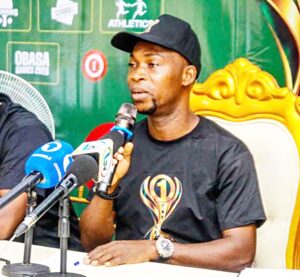
Dr Ajibola
“The Games are strictly for secondary school students. We are not entertaining clubs. We believe students can combine education with sporting activities. It is not all about studying all the time. We want to catch them young and provide them with the platform to discover and develop their talents,” Ajibola said.
